
Starting from zero, I translated casino psychology into a legal mobile gaming system, bringing clarity to an ambiguous product scope.
Real-prize contests
defined within legal realities
Targeted engagement strategy
via user behavior and feature prioritization
Role
Product Designer (sole): UX/UI, research, product direction, roadmap, user flows & journeys, system mapping, team alignment
Team Members
1 Head of Innovation, 1 Head of Game Design
Company
Italian Gambling Company
Context & Challenges
Design a gaming rewards system for casino players without gambling
The casino company wanted to reward real prizes to their current customers through a new app, aiming to increase daily engagement, bring in more traffic, and generate more revenue. In the gambling world, that comes with legal boundaries to consider. We needed to define the strategies of long-term gaming engagement for casino fans without using gambling, betting, or real-money mechanics.
1. Psychological appeal in game direction
What type of engagement increases retention in casino products, and which aspects could we legally incorporate?
2. Monetization with legal limitations
How could monetization and progression feel exciting without relying on betting, loss mechanics, exploitative loops, or pay-to-win dynamics?
3. Sustainable social retention
Which social systems motivate players without needing heavy moderation, and without being required for core gameplay or contest access?
Research
Deconstructing gambling psychology
Rather than replicating gambling mechanics directly, I analyzed the emotional and psychological systems that made casino products engaging in the first place. I had to identify the motivations and behavioral layers of gambler mindsets so I could recreate those feelings in ethical, legal gameplay.
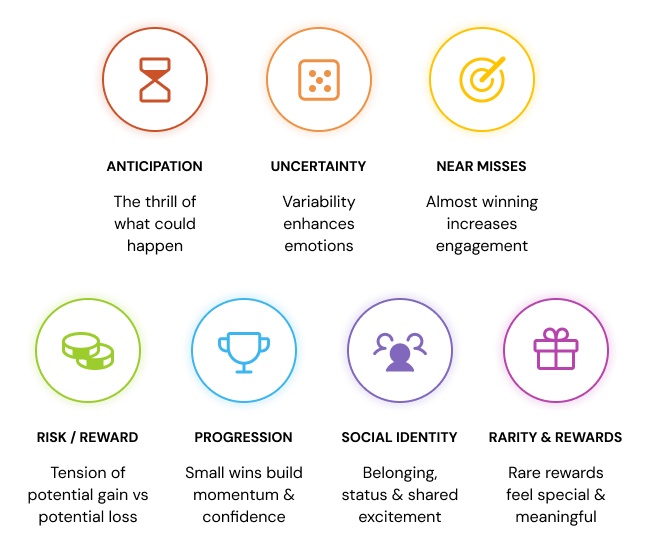
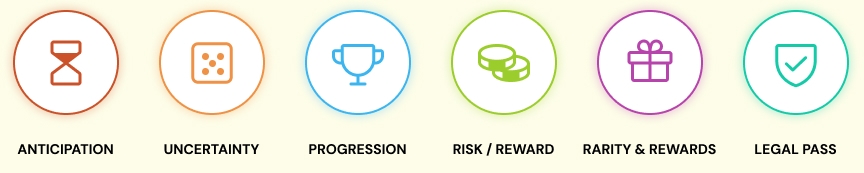
Casino games are built on a combination of powerful psychological drivers:
Top Insight #1
Players are engaged by the feelings, not the mechanics
Users are motivated more by the emotions surrounding gambling than by the act of gambling itself.
Top Insight #2
Retention thrives when multiple drivers reinforce one another
No single psychological driver creates engagement and retention by itself, the strongest opportunities emerge when multiple work together.
Product Design
Using driving forces as bases for designs
Methods: UX research, market evaluation, competitor benchmarking, behavior analysis, subject matter experts, and consultations with legal experts.
Key Decision #1
Turning risk into skill-based competition
Current customers are also sports enthusiasts, so contests like Spot-the-ball, VAR room calls, and casino crash games with seasonal events help recreate the sense of risk.
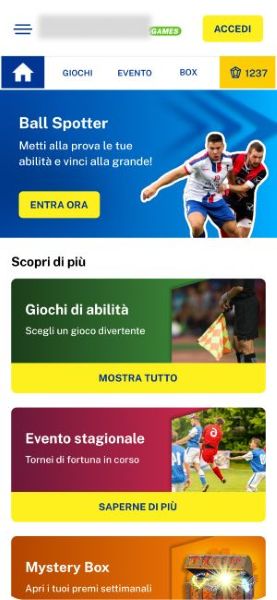
Reasons
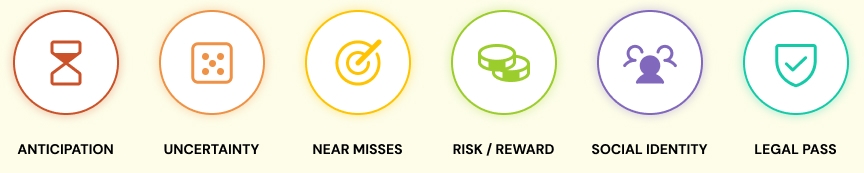
- Thrill of live outcomes
- Emotional tension without monetary loss
- Repeat engagement through mastery
- Shared excitement in community events
- No pay-to-win, no pure luck
- Winners determined by specific criteria & judging panel
Trade-offs
Skill-based systems are fair and legally sustainable, but reduce the instant gratification in common gambling mechanics. Sports-based games also create off-season retention risks and increase reliance on live events and seasonal context.
To offset these, we explored progression systems and repeatable achievement loops that could sustain engagement outside major sporting periods.
Key Decision #2
Translating reward psychology into ethical monetization
Incorporating progression systems, cosmetic rewards, and tiered subscriptions in the monetization strategy removes the need for monetary risk found in betting mechanics.
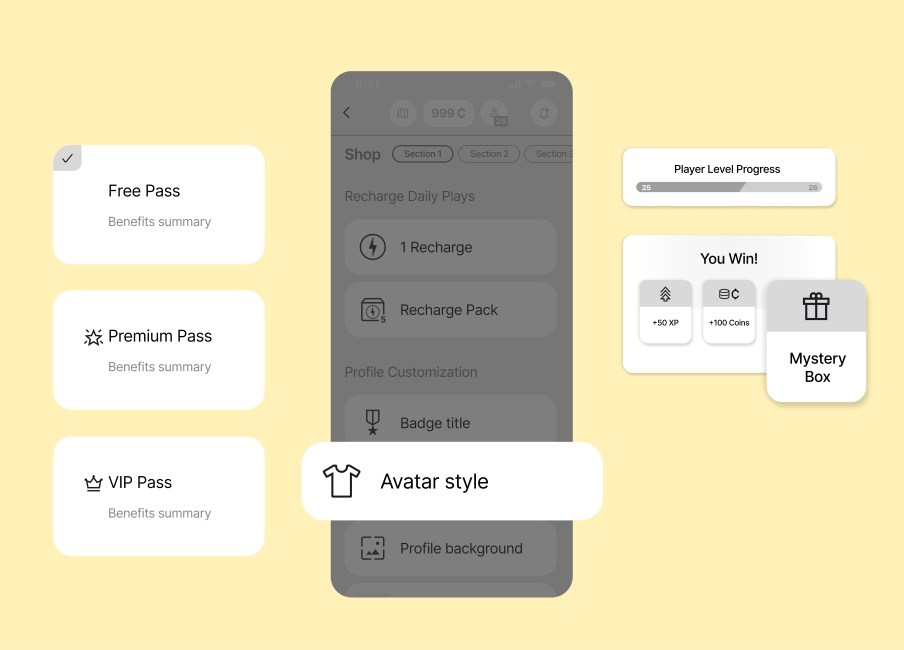
Reasons
- Loot boxes create excitement around what might come
- Exclusive unlocks make achievements feel meaningful
- Small wins build momentum and continued participation
- Unlocking content reinforces player investment
- Free, Premium, and VIP tiers support visible progression
- Cosmetics provide status without affecting competition
Trade-offs
Progression and collection systems create more sustainable engagement than gambling mechanics, but they reduce the intensity of high-risk reward moments.
To compensate, we emphasized cosmetic rarity, achievement milestones, and personalized progression paths that could maintain excitement over longer periods.
Key Decision #3
Creating identity and social return loops
Profiles, leaderboards, and lightweight social connections create visibility, recognition, and status. These systems encourage players to return regularly without requiring heavily moderated community features.
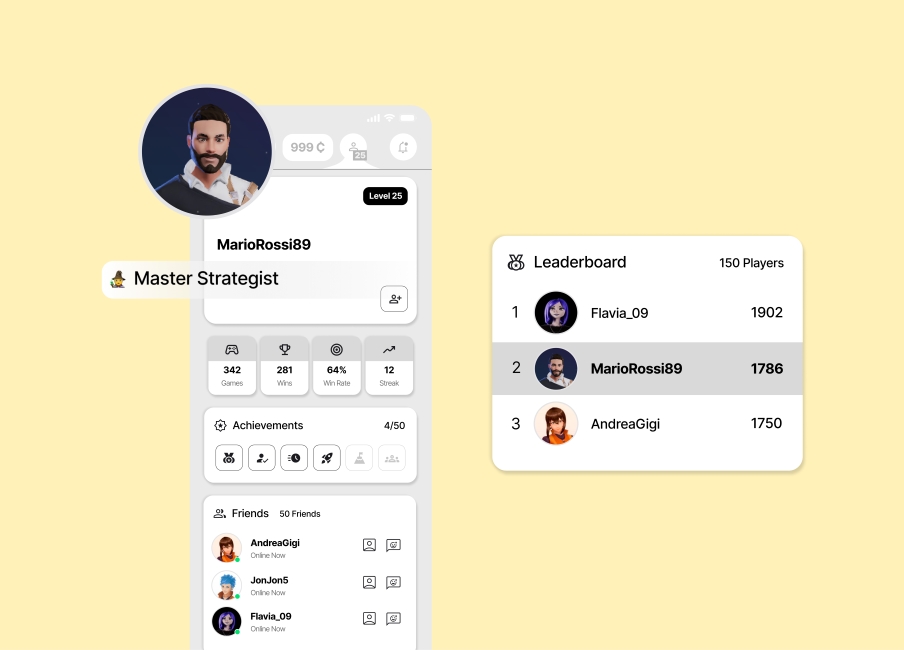
Reasons

- Competitive rankings provide ongoing goals
- Leaderboards create tension, status, and recognition
- Progression data can showcase achievements
- Friends and leaderboards encourage regular check-ins
- Public profiles create visibility and personal ownership
- Avatar customization reinforces self-expression
Trade-offs
While deeper community features like guilds, full chat abilities, and direct PvP could have strengthened social bonds, they would have introduced significant moderation, safety, and development requirements.
We prioritized profiles and leaderboards to capture the benefits of social identity while maintaining a lean MVP.
Strategy Adaptations
Upgrading to a unified ecosystem
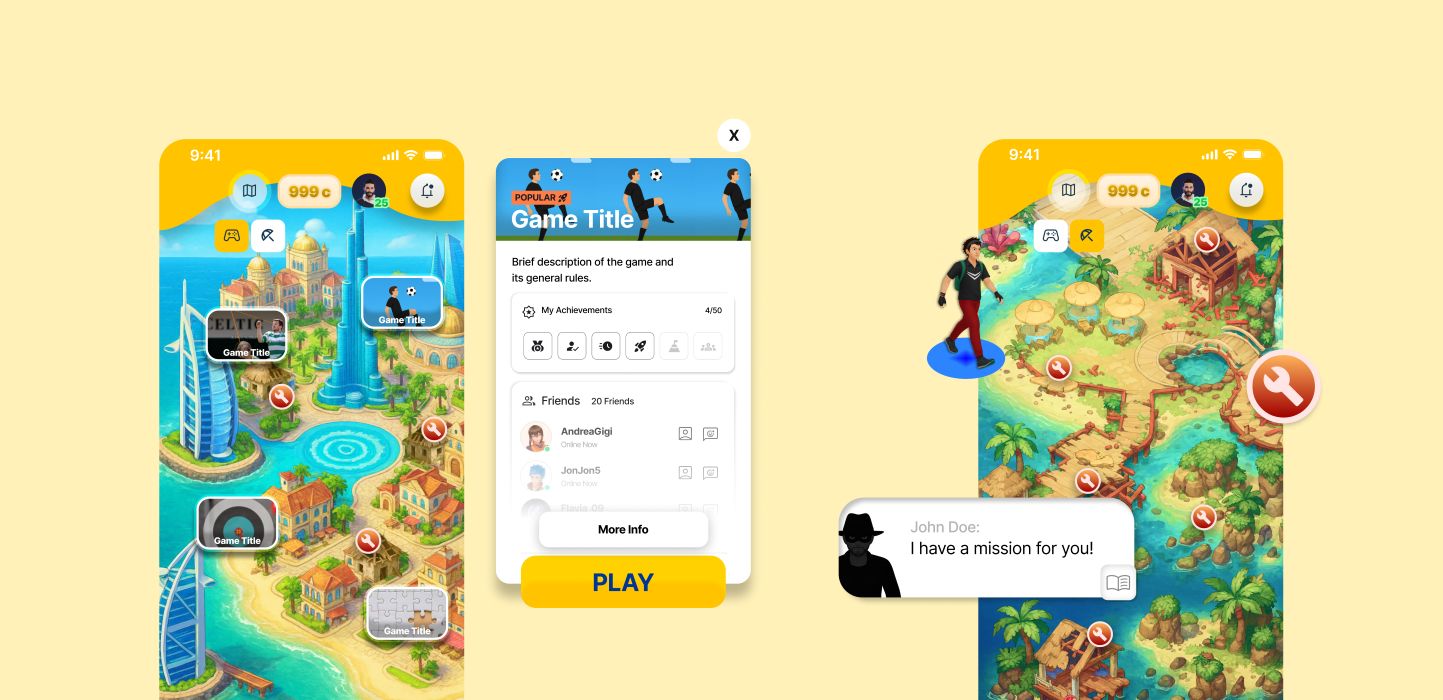
As research and designs evolved, it became clear that these psychological drivers would be stronger if connected through a shared player journey rather than existing as isolated experiences. After aligning with stakeholders, this led to a shift from standalone minigames to a persistent game ecosystem and more freedom in UI design with AI assistance.
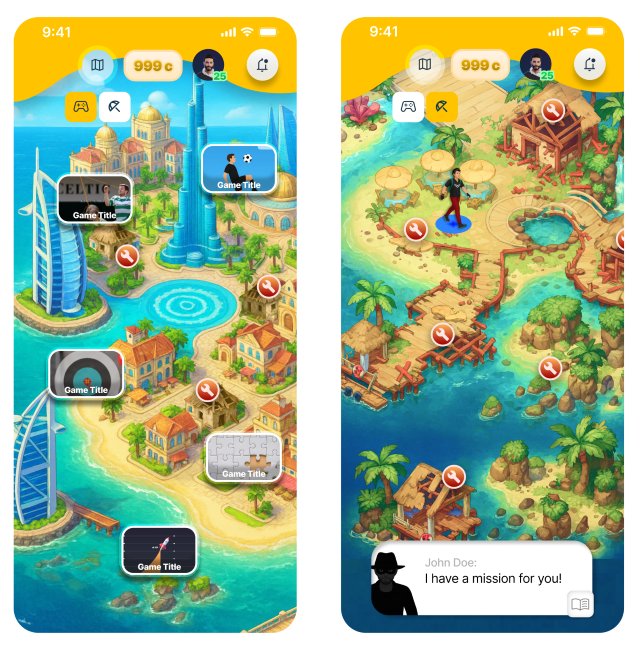
A more cohesive experience
Welcome to Luxury Island Town with your personal inhereted resort!
- Gameplay achievements, rewards, and status persist across experiences
- Profiles, leaderboards, and customization exist within a shared ecosystem
- Storyline, missions, and future unlocks create reasons to return
- Players feel long-term investment in their world
- New games, events, and monetization systems can plug into an existing ecosystem
- The platform grows without resetting player investment
Outcome & Impact
Casino psychology set the foundations of a gaming world
The project went from replicating casino mechanics to designing cohesive engagement systems rooted in gambling player motivations and values.
Gaming engagement strategy reframed
Instead of designing gambling mechanics, the project shifted toward the psychological drivers behind engagement, creating a more sustainable and legally viable product direction.
Ecosystem direction established
Research supported a move from isolated minigames to a persistent player ecosystem that strengthened progression, identity, and retention, which led to stakeholders realigning their understanding of the product.
MVP scope clarified
The psychological framework helped prioritize features based on user value, reducing ambiguity and creating a clearer roadmap for phased development.
Reflections
Psychology reveals driving forces
Engagement is often driven by underlying psychological needs rather than specific mechanics.
Driving forces set stable foundations
Early behavioral research specific to gambling reduced ambiguity later in the product strategy process.
Limitations guide new perspectives
Constraints can be valuable because they force teams to focus on user motivations rather than feature replication.
Early expansion beyond internal knowledge
Involving legal experts early helped transform blockers into design opportunities and led to more viable product decisions.